
BOV gassing
In some applications, limitations arise when product and propellant come into contact. This can affect stability, shelf life, or product performance. In such cases, a solution is needed to separate gas and product without compromising the functionality of the aerosol.
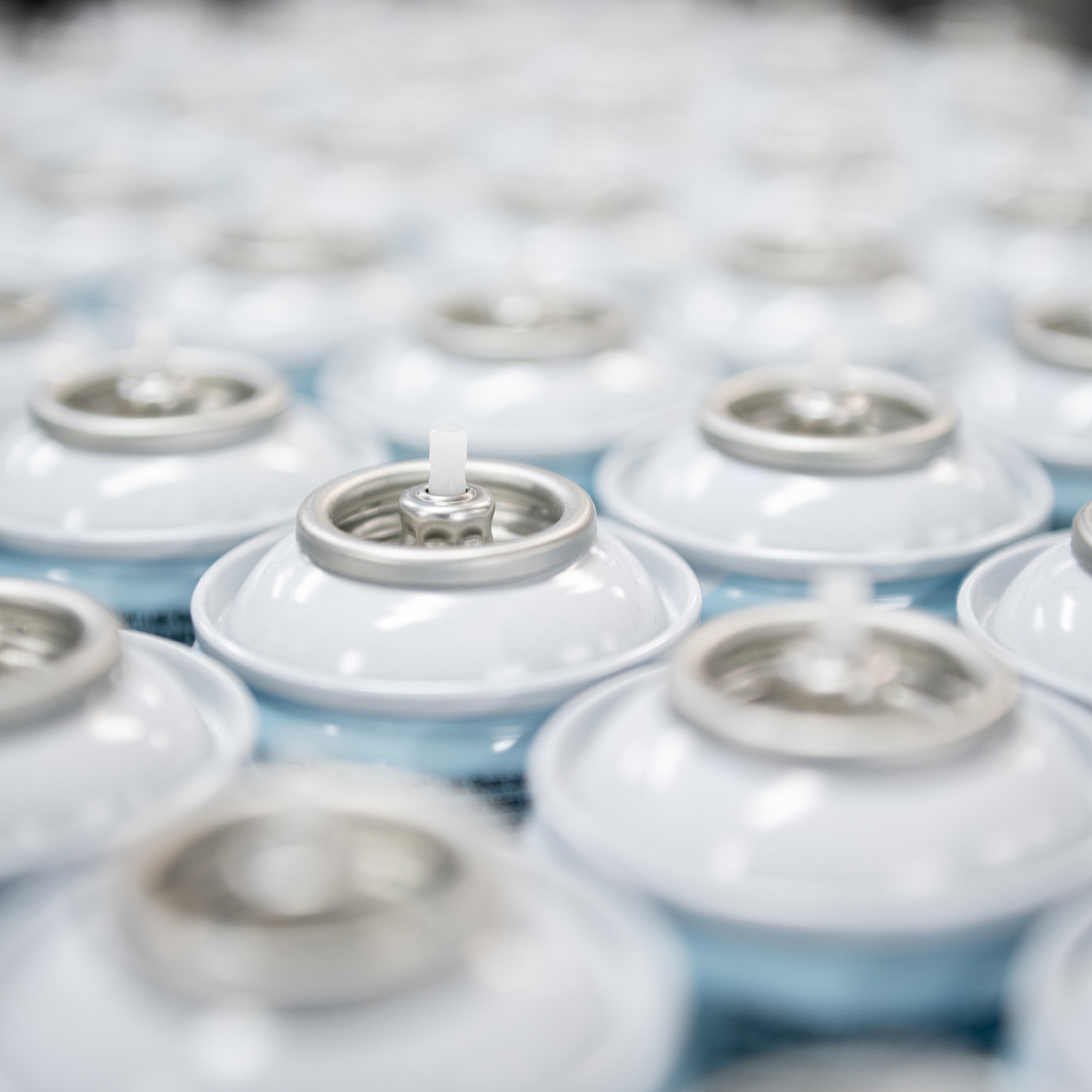
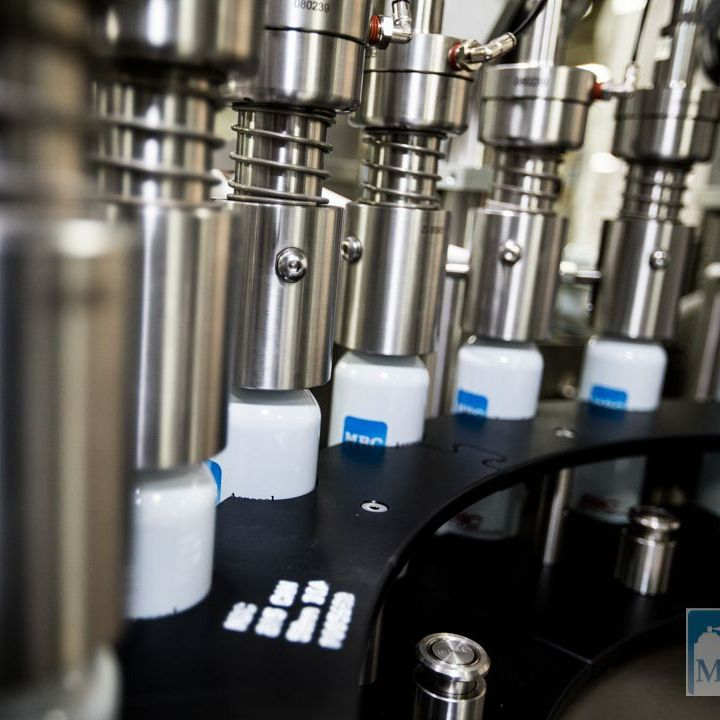
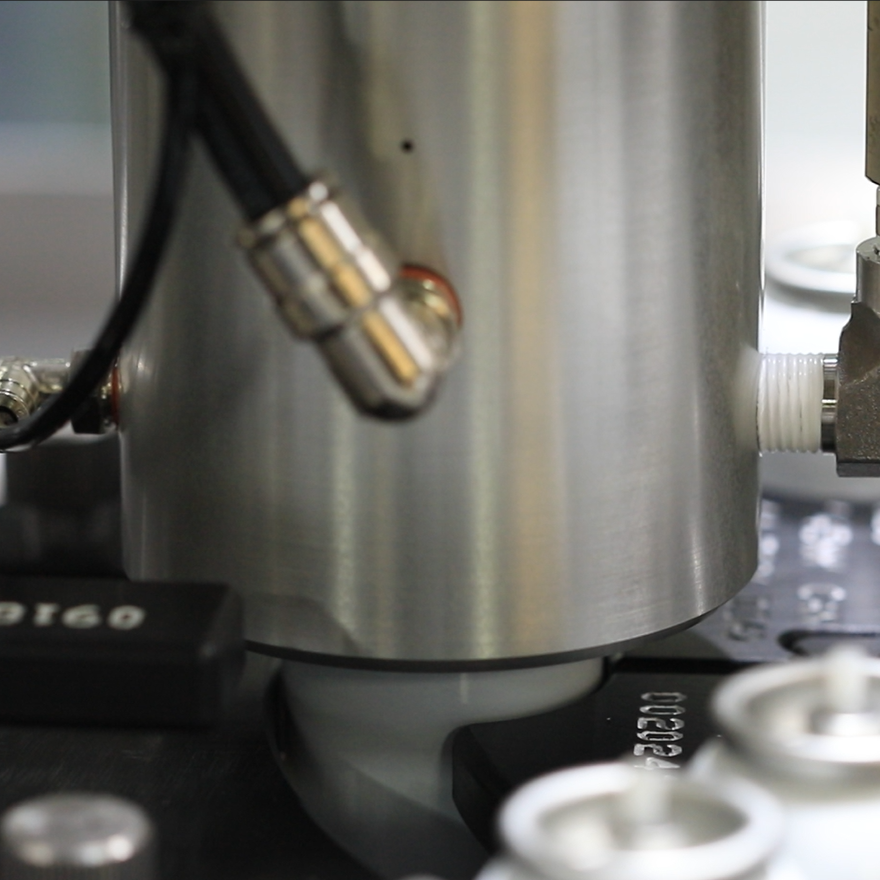
With Bag-on-Valve, the product is stored in a flexible bag inside the can. Gassing takes place in the space between the can and the bag. Low-pressure compressed air is added, after which the valve is crimped to retain the gas inside the can. This process is often referred to as “under the cup,” as the gas is introduced beneath the valve rim before it is permanently fixed.
Differences in application
Because product and propellant remain separated, this technique is suitable for applications where interaction is undesirable. This is common in food, pharmaceutical, or cosmetic products, where product quality and purity are critical.
At the same time, this setup introduces certain trade-offs. In applications where a propellant is required to dissolve or dilute the product, BOV is less suitable. Additionally, the extra component; the bag, affects the overall cost and structure of the product.
The most appropriate approach depends on the product and the requirements of the final result. This is evaluated per application.
ContactIntegration in the line
The way BOV is implemented varies depending on the product and line configuration. Gassing and crimping are closely linked and are often combined into a single process step to maintain control over pressure and sealing.
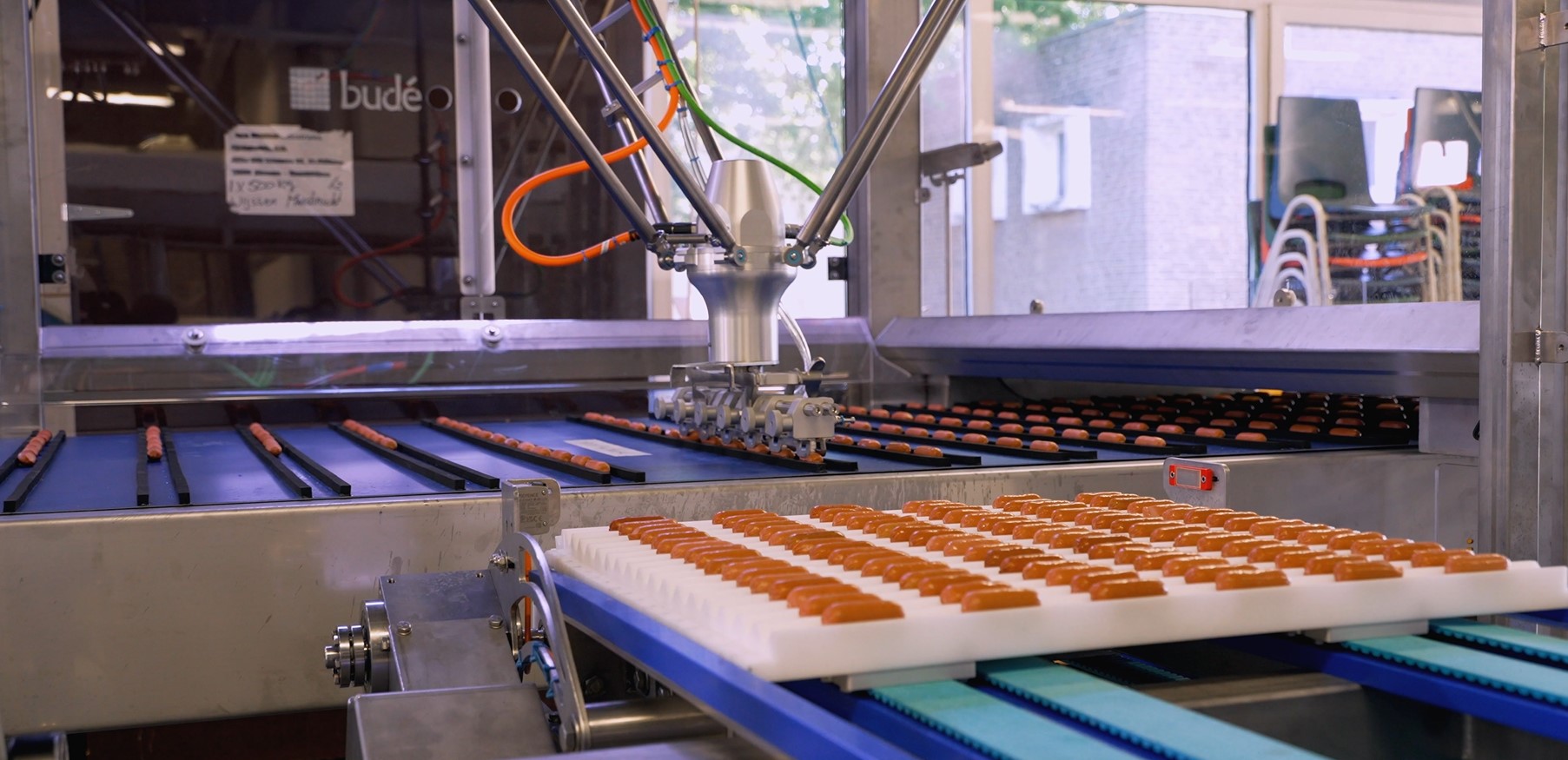
The required equipment is typically integrated into the production line and tailored to the desired capacity and level of automation. Depending on the situation, this can range from relatively simple systems to fully automated solutions.
How this step is set up is determined together, ensuring the process aligns with the application and operates reliably in practice.
Download whitepaper
What is the difference between conventional aerosol and bag on valve?